
Amazon Is Ending FBA Labeling Services — What Sellers Need to Know
Starting January 1, 2026, Amazon will no longer offer FBA prep and item labeling services. Sellers are now fully responsible for applying Amazon barcodes to their products. This comprehensive guide explains what's changing, why most sellers were already self-labeling, and how to handle labeling requirements efficiently moving forward.

Amazon just made it official: starting January 1, 2026, they’re no longer offering prep and item labeling services through FBA. If you’ve been relying on Amazon to slap barcode labels on your products before they hit the warehouse shelves, that option is going away. For shipments created before the cutoff date, Amazon will still label eligible products at $0.55 per unit if you’d already requested the service. But after that? You’re on your own.
On the surface, this might sound like a headache. Another thing sellers have to manage themselves, another operational task added to an already long list. But here’s the thing most people aren’t saying out loud: this change isn’t actually as disruptive as it sounds. In fact, for the vast majority of successful FBA sellers, nothing is really changing at all.
Amazon’s Labeling Service Was Never the Default Choice
Let’s start with some context. Amazon’s labeling service has existed for years, quietly sitting in the background of FBA workflows. But it was never widely adopted. Most high-volume sellers avoided it entirely, and for good reason: the per-unit cost didn’t scale well. At $0.55 per item, the math gets ugly fast when you’re shipping thousands of units every month. That’s money walking out the door on a recurring basis, and it adds up in ways that eat into already tight margins.
The sellers who did use Amazon’s labeling service tended to fall into a few specific categories. New sellers who were still figuring out their workflows. Low-volume FBA users who were sending in small batches sporadically. People testing new products without committing to full-scale operations. In other words, it was a convenience option for edge cases, not a foundational part of how most sellers run their businesses.
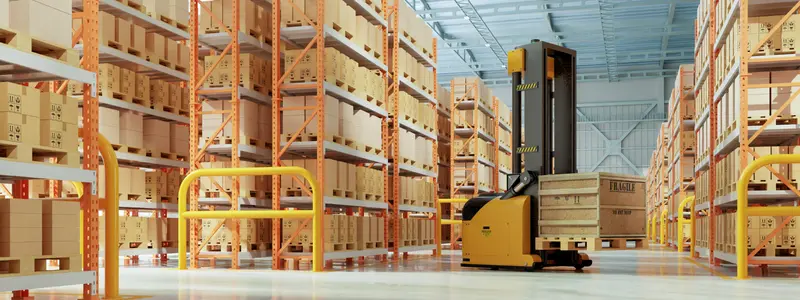
So when Amazon announced they’re pulling the plug, the reality is that the majority of sellers were already handling labeling themselves. This isn’t Amazon dropping a bombshell on an unsuspecting seller base. It’s Amazon formalizing what was already the norm.
Why Amazon Is Walking Away from Labeling
Amazon doesn’t make decisions like this on a whim. There are clear operational and strategic reasons behind this move, and they’re worth understanding if you want to see where FBA is headed as a whole.
First, labeling is a manual, labor-intensive process. It’s low margin and operationally complex at scale. Amazon runs one of the most automated fulfillment networks in the world, and manual tasks like applying barcode labels to individual units don’t fit neatly into that vision. It’s inefficient, it’s prone to human error, and it doesn’t align with the broader direction Amazon is moving toward: automation, standardization, and shifting operational responsibility back to sellers.
This isn’t an isolated change. It’s part of a larger trend where Amazon is tightening up FBA requirements, expecting sellers to take more ownership over their inventory preparation, and reducing the number of services they offer that don’t generate meaningful value for the platform. Amazon wants predictable, scannable, warehouse-ready inventory arriving at their doors. They don’t want to be in the business of prepping products for you.
What Amazon Expects Sellers to Do Now
So what does this actually mean in practice? Amazon has been pretty clear about what they expect moving forward. If a product doesn’t have a manufacturer barcode or a Transparency barcode, an Amazon barcode label must be applied to the item. And starting in 2026, that’s entirely on you.
There are a few important clarifications buried in Amazon’s announcement that sellers need to understand. First, GCIDs cannot be used in place of a UPC, EAN, JAN, or ISBN to create ASINs. If your brand has been approved for Amazon Brand Registry and you don’t have standard product identifiers, you can apply for a GTIN exemption. This is especially relevant for private label sellers who might be selling unique products without traditional barcodes.
Second, virtual tracking is available for eligible products. This allows you to use the manufacturer barcode instead of applying an Amazon-specific label, but it’s not available for everything. You’ll need to check whether your products qualify, and even then, many sellers still prefer to use Amazon barcodes for better inventory control and fewer commingling issues.
The bottom line is simple: labeling accuracy is now entirely your responsibility. Amazon is not going to do it for you, and they’re not going to fix mistakes if you get it wrong. If your labels are unreadable, incorrectly sized, or applied to the wrong products, your shipments will get flagged, delayed, or sent back.
Self-Labeling Was Already the Better Option
Here’s the part that might surprise people who are freaking out about this change: self-labeling was already the better option, even before Amazon pulled the service. Experienced sellers figured this out years ago.
When you label products yourself, you have full control over the process. You can prep shipments faster because you’re not waiting for Amazon to handle it on their timeline. You can control label size, placement, and readability, which reduces the risk of warehouse errors. You can scale your operations without worrying about per-unit costs stacking up. And perhaps most importantly, you avoid FBA check-in issues caused by labeling mistakes that happen on Amazon’s end.
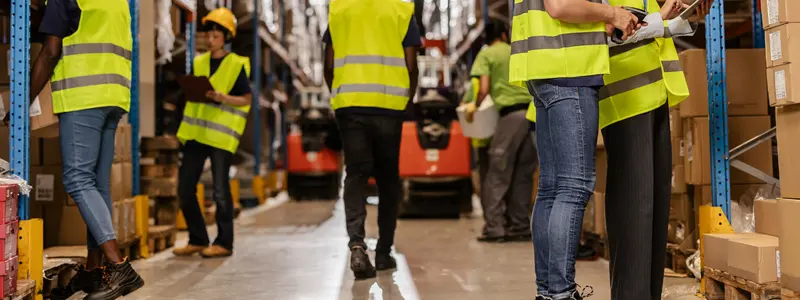
Self-labeling also gives you more flexibility. You can integrate labeling into your existing workflows, whether that’s using a thermal printer in your garage or outsourcing to a prep center. You can test different label formats and placements to see what works best for your products. You can make adjustments on the fly without having to go through Amazon’s systems.
In short, sellers who were already handling labeling in-house weren’t just saving money. They were building more resilient, efficient operations that gave them a competitive edge. Amazon ending their labeling service doesn’t change that. It just forces everyone else to catch up.
The Real Challenge: Label Accuracy and Formatting
Now, let’s talk about where sellers actually struggle with labeling, because it’s not just about printing a barcode and slapping it on a box. The real challenge is label accuracy and formatting. This is where most FBA rejections happen, and it’s a problem that catches even experienced sellers off guard.
Amazon has strict requirements for barcode labels. They need to be a specific size, formatted correctly, printed clearly, and placed in the right location on the product or packaging. Sounds simple enough, right? But in practice, things go wrong all the time. Printers scale labels incorrectly. Barcode dimensions get stretched or compressed. Labels get printed too small or too large. The barcode becomes unreadable because of poor print quality or alignment issues.
And here’s the frustrating part: Amazon provides requirements, but they don’t provide tools to help you meet those requirements. They’ll tell you exactly what they need, but it’s up to you to figure out how to deliver it. If you get it wrong, your shipment gets flagged. If it keeps happening, you risk having your FBA privileges restricted. This is not a trivial issue.
According to Amazon’s own seller resources, improper labeling is one of the most common reasons for shipment delays and rejections. Sellers who don’t take labeling seriously end up dealing with chargebacks, inventory delays, and unhappy customers who are waiting for products that are stuck in warehouse limbo.
Where Label Resizer Fits in This New Landscape
This is where tools like Label Resizer become relevant. It’s designed specifically for Amazon FBA label requirements and seller-side labeling workflows. The whole point is to simplify the process of resizing, formatting, and generating print-ready labels that meet Amazon’s specifications without the guesswork.
For sellers who are now being forced to handle labeling themselves, having a reliable tool that removes friction from the process isn’t just convenient. It’s a competitive advantage. It means you can prep shipments faster, avoid costly mistakes, and scale your operations without worrying about whether your labels are going to pass Amazon’s checks.
Label Resizer isn’t solving a problem that didn’t exist before. It’s solving a problem that existed all along, but that more sellers are now going to have to face head-on. Amazon ending their labeling service just makes that problem more visible.
Amazon Is Formalizing What Sellers Were Already Doing
Let’s bring this full circle. Amazon ending FBA labeling services is not introducing a new burden. It’s formalizing an existing reality that successful sellers were already living with. The sellers who were thriving on FBA weren’t relying on Amazon to label their products. They were labeling in-house, controlling their fulfillment workflows, and building systems that gave them speed and flexibility.
In the post-2026 FBA world, self-labeling isn’t optional anymore. It’s mandatory. And that means sellers who haven’t figured out efficient labeling workflows yet are going to need to get up to speed quickly. The good news is that this isn’t rocket science. With the right tools and a bit of upfront effort, labeling becomes just another routine part of your FBA operations.
The sellers who are going to struggle are the ones who were treating Amazon’s labeling service as a crutch, avoiding the work of building proper systems. The sellers who are going to thrive are the ones who see this as an opportunity to tighten up their operations, eliminate inefficiencies, and take full ownership of their inventory preparation.
Amazon isn’t making FBA harder with this change. They’re just making it clearer where the lines of responsibility are. If you’ve been handling labeling yourself all along, nothing changes. If you haven’t, now’s the time to figure it out. And if you’re smart about it, you’ll realize that having full control over your labeling process is actually a better position to be in than relying on Amazon to do it for you.